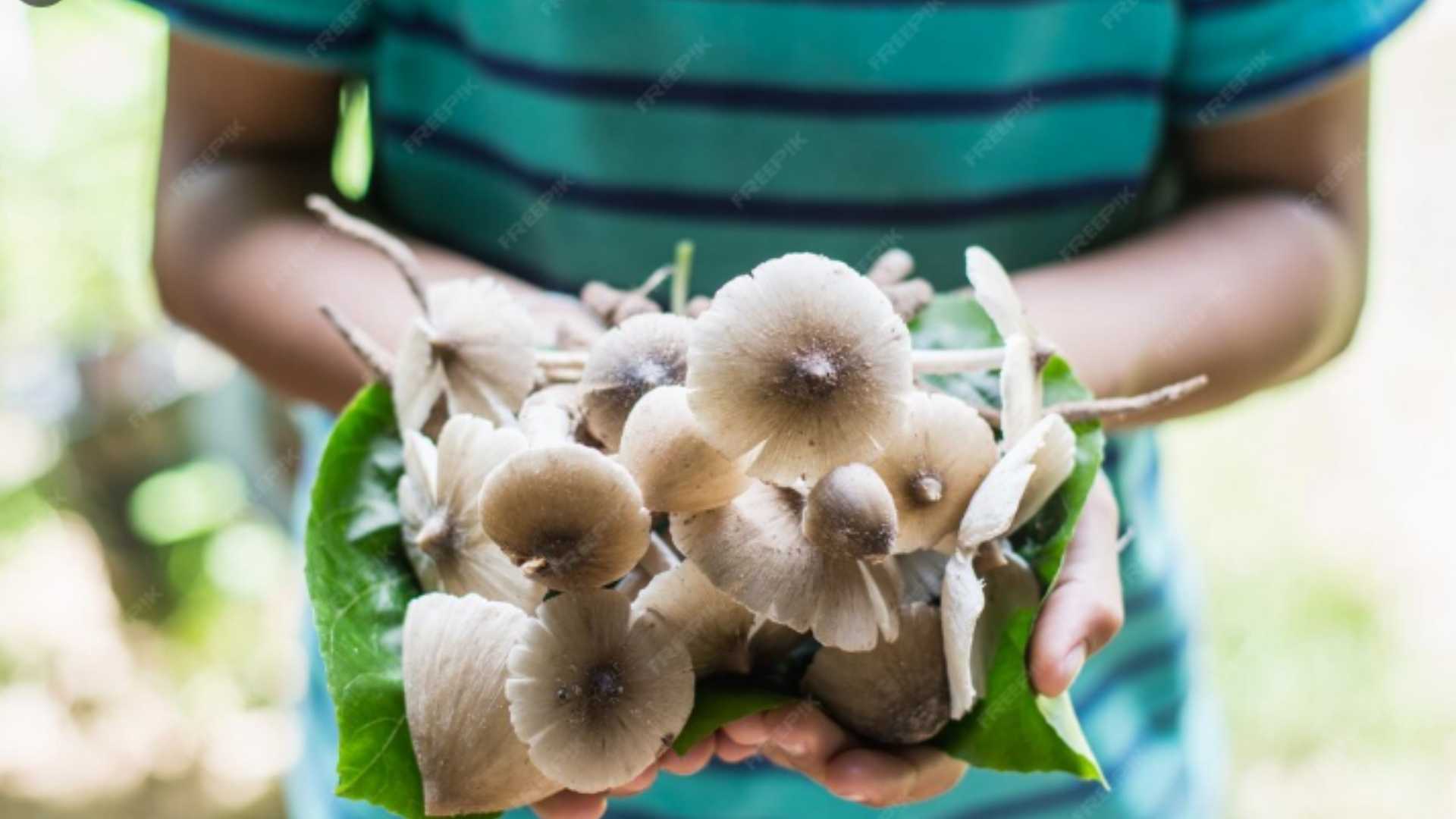
Mushrooms are among the world’s most nutritious and sustainable foods, offering both dietary and medicinal value. This lesson introduces learners to the fascinating world of fungi by exploring the most common edible species — including oyster, button, shiitake, and reishi mushrooms. Each type has distinct characteristics, growing requirements, and market appeal, allowing producers to select varieties that suit their environment and business goals.
Beyond taste and versatility, mushrooms are recognized globally as a superfood. They are rich in proteins, vitamins (B-complex and D), minerals such as selenium and potassium, and essential amino acids. The lesson explains how these nutrients contribute to boosting immunity, supporting metabolism, and preventing diseases. Learners will also discover why mushrooms are increasingly preferred by health-conscious consumers seeking natural and plant-based alternatives.
Finally, this session highlights the growing international and regional demand for mushrooms and their processed forms, such as powders and supplements. With the global mushroom industry expanding rapidly, Rwanda has significant opportunities to supply local and export markets. Participants will learn how understanding consumer trends and nutritional values helps position their production competitively within the agribusiness value chain.